Exactly How Mycotoxin Testing Assists Avoid Contamination and Protect Food Materials

Mycotoxin screening is a crucial method in the food sector, serving as a frontline defense versus contamination by damaging toxins generated by molds. Via the application of advanced techniques like High-Performance Fluid Chromatography (HPLC) and Fluid Chromatography-Mass Spectrometry (LC-MS), food manufacturers can properly find and measure mycotoxin levels in agricultural products.
Recognizing Mycotoxins
Recognizing mycotoxins begins with identifying that they are hazardous secondary metabolites generated by specific molds, which can contaminate farming items. These metabolites are not essential for the growth or recreation of the fungi but can have serious effects for human and animal health and wellness. Mycotoxins are commonly found in staple crops such as corn, wheat, barley, and nuts, where they can proliferate under particular conditions of moisture and temperature level.
There are a number of kinds of mycotoxins, each generated by different fungal species. Fusarium types generate trichothecenes and fumonisins, both of which are associated with different severe and persistent wellness problems.
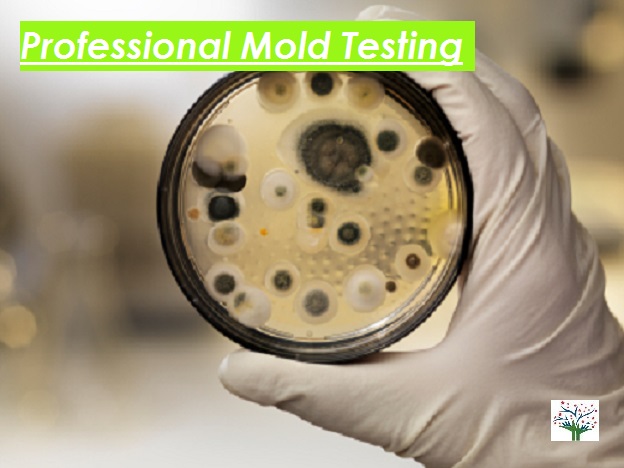
Dangers of Mycotoxin Contamination
The threats of mycotoxin contamination are diverse, posing significant hazards to both food safety and security and public health. Mycotoxins, poisonous compounds generated by certain types of fungis, can infect a broad array of agricultural items consisting of grains, nuts, seasonings, dried out fruits, and coffee.
Economic effects are an additional significant concern. Polluted crops can lead to substantial economic losses for farmers and food producers because of reduced returns and the demand for costly decontamination actions. International trade can be substantially hindered as countries enforce strict mycotoxin guidelines to secure their populaces, leading to turned down shipments and stretched trade relationships.
Environmental variables such as climate adjustment exacerbate the danger of mycotoxin contamination. Variations in temperature and humidity can create positive problems for fungal growth, increasing the chance of contamination events. Thus, understanding and minimizing these dangers are essential for guaranteeing the security and honesty of international food supplies.
Methods of Mycotoxin Evaluating
Properly identifying mycotoxin contamination in agricultural products is essential for securing public health and maintaining food safety and security criteria. Different approaches are employed to discover and quantify mycotoxins, each offering details benefits and constraints.
High-Performance Liquid Chromatography (HPLC) is a commonly utilized method due to its high level of sensitivity and accuracy. It includes separating mycotoxins from various other substances in a sample, allowing exact quantification. Fluid Chromatography-Mass Spectrometry (LC-MS) integrates liquid chromatography with mass spectrometry to provide thorough molecular information, making it particularly beneficial for identifying numerous mycotoxins simultaneously.
Gas Chromatography-Mass Spectrometry (GC-MS) and Thin-Layer Chromatography (TLC) are also employed, each with distinct applications. GC-MS works for unpredictable mycotoxins, while TLC supplies a less complex, cost-effective alternative for initial testing.
Advantages of Regular Examining
Regular testing for mycotoxins in Click This Link farming items supplies various advantages, significantly adding to public health and wellness and food safety and security. By identifying contamination early, regular screening helps avoid the distribution of toxic foods, thus reducing the threat of mycotoxin-related illnesses amongst customers. This aggressive approach not only safeguards human health however also enhances the overall top quality of food products.
Regular testing likewise supports regulative conformity. Different countries and regions have actually established rigid limits for mycotoxin degrees in food and more information feed. Adhering to these restrictions with normal testing guarantees that providers and manufacturers meet legal standards, consequently staying clear of charges and profession barriers. Preserving compliance promotes consumer trust and brand name credibility, which are crucial for market success.
In addition, regular mycotoxin screening can lead to significant financial benefits. Early detection of contamination permits prompt treatment, decreasing prospective losses from prevalent contamination. Applying regular testing protocols can also minimize recall expenses and associated responsibilities, which can be financially devastating.
Furthermore, normal screening supplies valuable information that can inform far better farming practices and storage space conditions. By recognizing patterns of contamination, producers can take on preventative steps, thus contributing and minimizing future dangers to the sustainability of the food supply chain.
Applying Checking Methods
Executing reliable mycotoxin testing methods is vital for making sure the safety and security and top quality of farming items. Each phase has to be inspected to determine where mycotoxin contamination is most likely to happen.
As soon as critical control points are identified, picking suitable screening methods is crucial. Common methods consist of enzyme-linked immunosorbent assay (ELISA), high-performance fluid chromatography (HPLC), and mass spectrometry (MS) Each technique has its weaknesses and toughness; hence, choosing the proper one depends on the particular mycotoxin being examined, the required level of sensitivity, and available sources.

Last but not least, incorporating the testing methods right into a thorough food safety and security management system is a good idea. This boosts traceability and makes it possible for quick restorative actions when contamination is detected, thereby securing navigate here the stability of the food supply chain.
Verdict
Mycotoxin screening is vital in avoiding contamination and safeguarding food materials by making it possible for very early discovery of unsafe contaminants generated by molds in farming items. Advanced techniques such as HPLC and LC-MS ensure compliance with safety regulations and protect consumers from health and wellness risks. Regular testing boosts brand credibility, monetary stability, and rely on food security by minimizing contamination-related losses and keeping high requirements in food production. Executing extensive screening protocols is therefore critical for the sector's general health.
Mycotoxin testing is an indispensable method in the food industry, serving as a frontline defense versus contamination by dangerous toxic substances produced by molds. An incorporated approach involving agricultural practices, storage management, and regular testing can minimize the threats linked with mycotoxin contamination, making certain food safety and public wellness.
The dangers of mycotoxin contamination are complex, posing considerable dangers to both food security and public health and wellness.Routine screening for mycotoxins in farming items provides countless benefits, considerably contributing to public health and wellness and food security.Mycotoxin screening is necessary in protecting against contamination and safeguarding food materials by making it possible for very early detection of dangerous contaminants created by molds in farming products.